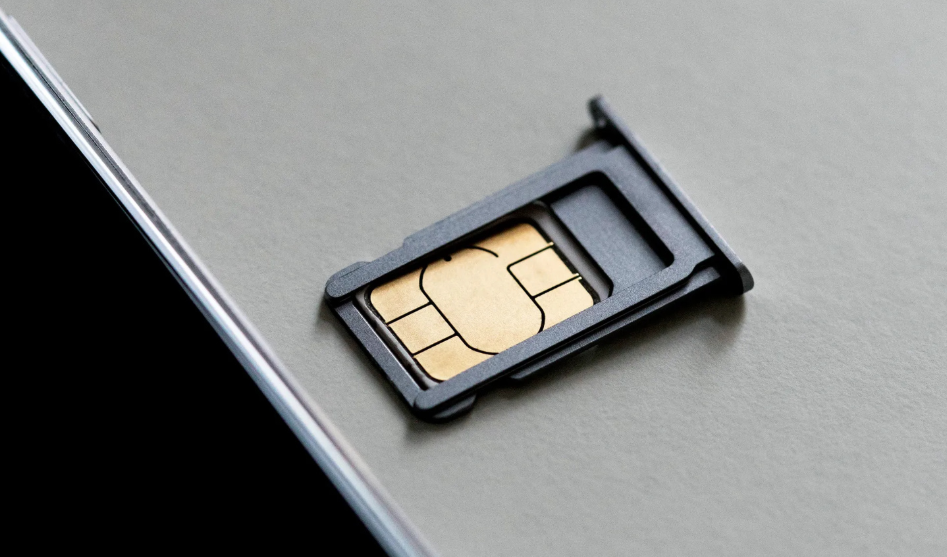
SIM swap attacks threaten crypto access by targeting phone-number-based authentication. This discussion outlines practical steps to minimize risk, from securing the mobile carrier to independent multi-factor verification. It covers account-level protections, offline backups, and proactive monitoring to detect unauthorized porting attempts. The framework also includes an incident response plan to rapidly contain breaches. Consider how these controls interact in real scenarios and what gaps may still exist to address.
Identify Your Attack Surface and Why SIM Swaps Happen
The attack surface for crypto accounts primarily consists of the channels and devices used to access them, with SIM swap attacks exploiting weaknesses in mobile authentication and account recovery processes.
The analysis identifies exposed identity exposure risks and carrier vulnerabilities, emphasizing how weak verification, store-and-forward data, and trusted networks enable adversaries to impersonate users and gain unauthorized access.
Secure Your Phone Number and Carrier With Strong Protections
Securing the phone number and the carrier is essential to mitigating SIM swap risks in crypto accounts. Strong protections reduce privacy risks and disrupt attackers’ access paths. Nationwide carrier controls, multi-factor verification, and account-level PINs guard numbers against porting. Do not rely on default defenses; insist on proactive monitoring, fraud alerts, and timely anomaly responses to prevent SIM swaps.
Harden Recovery Options and Crypto Wallet Access
Hardened recovery options are essential to maintaining access to crypto wallets while minimizing exposure to breaches. Digital guardianship demands diversified, offline backups and multi-factor controls that remain independent of mobile carriers. This approach reduces privacy risk and preserves autonomy. Phishing awareness complements robust authentication, ensuring recovery channels are trusted, resistant to manipulation, and resistant to credential theft across platforms and devices.
Set Up Continuous Monitoring, Alerts, and Incident Response
How can continuous monitoring, timely alerts, and a structured incident response framework reduce the impact of SIM swap threats on crypto accounts? Continuous monitoring detects anomalies in number porting, authentication attempts, and account access. Timely alerts enable rapid containment, while a formal incident response reduces damage, documents lessons, and supports recovery. Address fraudulent SIMs and carrier fraudulence with proactive, automated protection.
Frequently Asked Questions
How Can I Verify SIM Swap Risk Across Apps I Use?
The reviewer can verify sim swap risk by: verify phone provider security, assess app alert settings, assess backup recovery options, compare carrier fraud policies, and monitor unusual activity across accounts to maintain independence and freedom.
Which Crypto Wallets Are Most Vulnerable to SIM Swaps?
Certain wallets exhibit higher exposure to SIM swap risks due to centralized recovery options and phone-based authentication, making them comparatively more vulnerable to SIM swap attacks; overall wallet security varies with implementation and user behavior.
Do Hardware Security Keys Protect Against SIM Swap Fraud?
Security strengthens: hardware authentication helps, yes; hardware security keys provide protection against SIM swap fraud when paired with biometric verification. They deter disruption, deliver decisive defense, and empower users seeking freedom, fortifying funds, fungibility, and fearless financial autonomy.
Can I Disable SIM Swaps for All Carriers?
The answer is no; individuals cannot universally disable carrier SIMs across all networks. However, one can disable carrier SIMs on personal plans only where supported and enforce SIM PINs to reduce risk of unauthorized SIM changes.
What Legal Steps Exist After a SIM Swap Incident?
After a SIM swap incident, legal recourse exists via regulatory remedies, privacy rights claims, and potential insurance claims; investigators may pursue restitution, while affected individuals leverage consumer protections, with regulatory bodies guiding accountability and insurers evaluating coverage based on policy terms.
Conclusion
Protecting crypto accounts requires layered defenses from the outset. A key finding: SIM swap incidents rose by double digits year over year, underscoring the need for carrier controls, independent MFA, and offline recovery options. Implement strong phone-number protections, hardware- or seed-based wallets, and real-time monitoring for porting attempts. Establish an incident response plan with rapid containment and clear escalation. With these measures, users can significantly reduce exposure and preserve access to their crypto assets.
