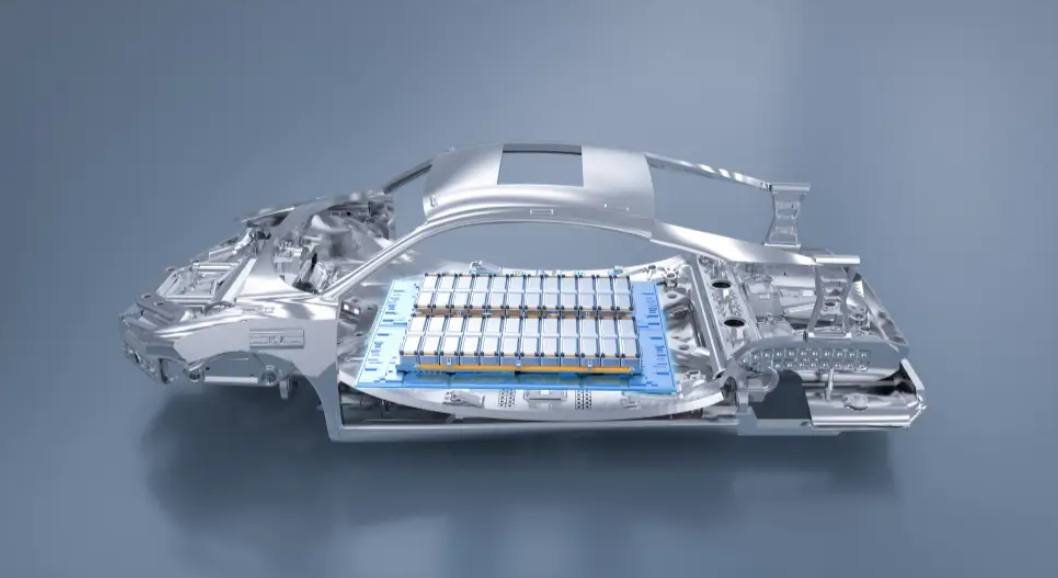
EV batteries store energy via electrochemical redox reactions in cells, organized into modules and packs to deliver usable electrical energy. The battery releases power through controlled current and voltage to the traction motor, with an inverter aligning power to torque. Thermal management and battery management systems safeguard safety, longevity, and performance. The interplay of chemistry, control, and cooling sets range and reliability, while ongoing advances in materials, recycling, and data-driven optimization promise further improvements, inviting continued examination of how each component shapes overall behavior.
What Is an EV Battery and How It Stores Energy
An electric vehicle (EV) battery is a modular energy storage device composed of cells arranged into modules and packs, designed to deliver electrical energy to the traction motor with high efficiency and safety.
The system stores energy through redox reactions, enabling reversible charging.
EV chemistry governs performance, while Battery safety protocols ensure thermal, electrical, and mechanical integrity under diverse operating conditions.
How the Battery Releases Power to Drive the Vehicle
Rechargeable EV batteries release stored energy through a controlled sequence of electrical and electrochemical processes that drive the traction motor. Power delivery occurs via controlled current draw, voltage regulation, and inverter conversion, aligning with motor torque requirements. Battery heating may arise from internal resistance under load, necessitating thermal management to maintain efficiency, stability, and predictable performance while minimizing losses.
See also: How ERP Systems Improve Business Operations
Battery Life, Safety, and Reliability: Range, Longevity, and Protection
Battery life, safety, and reliability encompass how range is maintained, longevity is extended, and protective systems prevent failures throughout a vehicle’s lifecycle.
The analysis focuses on sustaining usable range, mitigating degradation mechanisms, and implementing safeguards against abnormal conditions.
Range anxiety is addressed through predictable performance and monitoring.
Thermal runaway risks are contained by thermal management, fault detection, and robust enclosure design, ensuring consistent safety margins.
The Chemistry, Management Systems, and Future Advances in EV Batteries
How do the chemical composition, management frameworks, and prospective innovations collectively shape the performance and longevity of electric vehicle batteries? The discussion surveys cathode/anode chemistries, electrolyte stability, and thermal control, alongside battery management systems (BMS) for state assessment and safety. It highlights battery recycling, cold weather performance, and scalable, data-driven design toward durable, cost-efficient energy storage solutions.
Frequently Asked Questions
How Fast Can an EV Battery Recharge at Home?
A typical home EV charging pace is limited by the service, vehicle onboard charger, and grid; recharging to full often takes several hours. Reliability considerations, charging topology, and circuit capacity determine practical speed and safety margins.
What Happens if the Battery Overheats During Charging?
During charging, overheating risks trigger protective shutdowns or derating; thermal management channels heat away to prevent damage. As one lab note shows, a battery at elevated temps behaves like a kettle on high heat, unpredictable and unsafe.
Do Batteries Degrade Differently in Cold Weather?
Batteries degrade more in cold weather due to increased internal resistance and slowed reactions; evaporation effects from thermal charging can exacerbate aging. In low temperatures, capacity fades, while heat during charging mitigates but cannot fully offset degradation.
Can Batteries Be Recycled Safely After Use?
Yes, batteries can be recycled safely after use. Imagery: a measured, metallic stream flows through facilities, illustrating careful sorting, extraction, and containment. This supports recycling safety and end of life processing, enabling material recovery and environmental risk minimization.
How Do Fast-Charging Stations Affect Lifespan?
Fast charging impacts lifespan modestly: higher temperatures and frequent high-current pulses accelerate degradation, while optimized charge protocols and thermal management mitigate effects. Home recharge efficiency remains favorable, but rapid charging can shorten cycles if used excessively.
Conclusion
EV batteries store energy via reversible redox reactions across cells, modules, and packs, managed by a battery management system that monitors state, safety, and degradation. Power is delivered to the traction motor through an inverter, with thermal management maintaining optimal temperatures. A sophisticated charge/discharge protocol underpins longevity and reliability. While some may doubt long-term degradation models, robust thermal control and active cell balancing mitigate capacity loss, supporting predictable range and safe operation across varied duty cycles.
