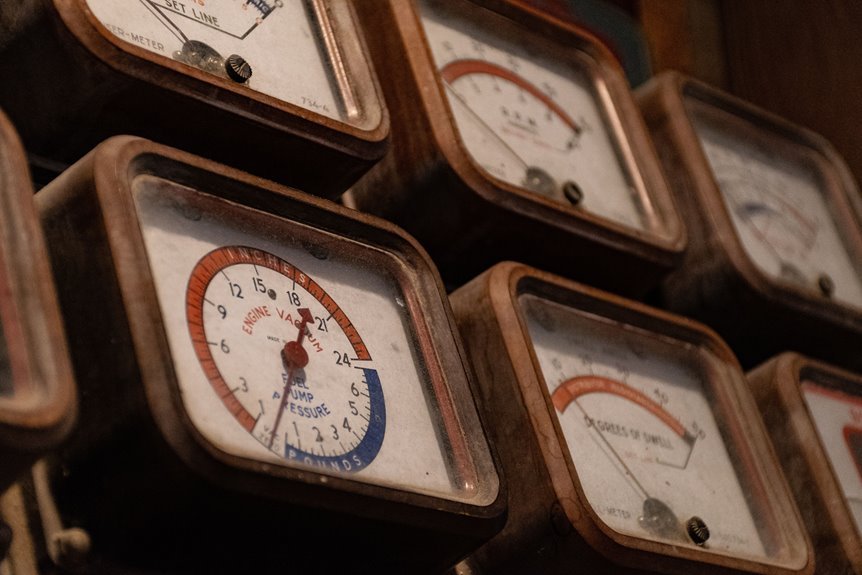
The ZenithWave Dynamic Engine line—models 7863564642, 8014363101, 8559901009, 5417666200, and 4123879299—offers a consistent interface set across generations, with emphasis on modularity, lightweight materials, and adaptive power management. The approach supports scalable deployment, robust diagnostics, and phased upgrades. Real-world data point to stable torque and predictable maintenance cycles, enabling phased integration across fleets. Operators are offered a clear path to lifecycle resilience, yet certain deployment variables invite closer examination as configurations scale.
What Makes ZenithWave Unique for Fleets
ZenithWave stands out for fleets due to its modular architecture, which enables seamless integration with existing telematics and maintenance platforms.
The system emphasizes fuel efficiency through adaptive power management and lightweight materials, while minimizing emissions.
Noise reduction is achieved via optimized combustion timing and vibration damping.
The architecture supports scalable deployment, ensuring consistent performance across varied fleet sizes and operational demands.
How the 7863564642 to 4123879299 Models Compare
The 7863564642 and 4123879299 models represent successive generations within ZenithWave’s lineup, each optimized for fleet-scale deployment with distinct performance emphases.
Differences in specs emerge as design priorities shift toward modularity and scalability.
Model to model compatibility remains a core consideration, enabling phased upgrades and mixed deployments without overhauls, while maintaining consistent interfaces and communication protocols.
Real-World Performance: Efficiency, Torque, and Diagnostics
Industry data from the 7863564642 and 4123879299 generations indicates real-world performance centers on measured efficiency, torque delivery, and on-system diagnostics. The analysis highlights stable fuel efficiency under varied loads, predictable torque curves, and robust self-checks that flag anomalies early. Fueling costs correlate with efficiency gains, while maintenance scheduling maintains reliability and minimizes unexpected downtime across operating conditions.
Choosing, Implementing, and Maintaining Your ZenithWave Engine Line
Selecting the right ZenithWave engine line requires a structured assessment of application needs, lifecycle costs, and integration constraints. Implementing involves clear deployment steps, scalable interfaces, and robust testing protocols. Maintenance focuses on proactive maintenance scheduling and timely part replacements. Emphasize parts compatibility across configurations, documenting standards, and facilitating modular upgrades for sustained performance and freedom to adapt as requirements evolve.
Frequently Asked Questions
What Is the Expected Lifespan of Each Model Under Varied Loads?
The expected lifespan varies by model and load, with higher demands reducing longevity. Engine reliability improves through balanced operation and proactive maintenance costs. Under varied loads, maintenance costs may rise modestly as efficiency declines and wear patterns diversify.
How Does Zenithwave Handle Cold-Start Performance in Winter?
“Every cloud has a silver lining.” In winter startup, ZenithWave demonstrates reliable cold-start performance, minimizes delay, and maintains stable operation. It accommodates cold weather wear with efficient ignition, optimized oil flow, and robust system readiness for winter startup.
Are There Hidden Maintenance Costs Not Covered in Manuals?
Hidden fees may apply beyond manuals; some maintenance aspects require service contracts or authorized support. The engine’s cost structure could include optional, recurring charges, so users should review terms carefully and budget for potential service obligations.
Can Retrofits Improve Efficiency for Older Engine Versions?
Retrofits can offer measurable retrofit potential and efficiency gains for older engine versions. The assessment indicates modest to significant improvements, contingent on design compatibility, system integration, and rigorous testing to ensure reliability and pristine long-term performance.
What Are the Environmental Disposal Requirements for End-Of-Life Units?
End-of-life units require compliant, careful handling; environmental disposal mandates hazardous material separation, recycling of metals, plastics, and batteries, and documentation. The process prioritizes safety, transparency, and regulatory adherence, ensuring environmentally responsible, fully traceable end-of-life stewardship.
Conclusion
Irony meets efficiency: fleets chase groundbreaking modularity, only to find the ZenithWave lineup quietly delivering consistent torque and diagnostics. The 7863564642 to 4123879299 saga promises scalable upgrades, while actually confirming steady reliability. Lightweight materials pretend to reinvent the wheel, yet fuel economy quietly improves. In the end, managers marvel at proactive maintenance reports, realizing the most dramatic feat is keeping the engines calm, connected, and compliant—one predictable generation after another.
