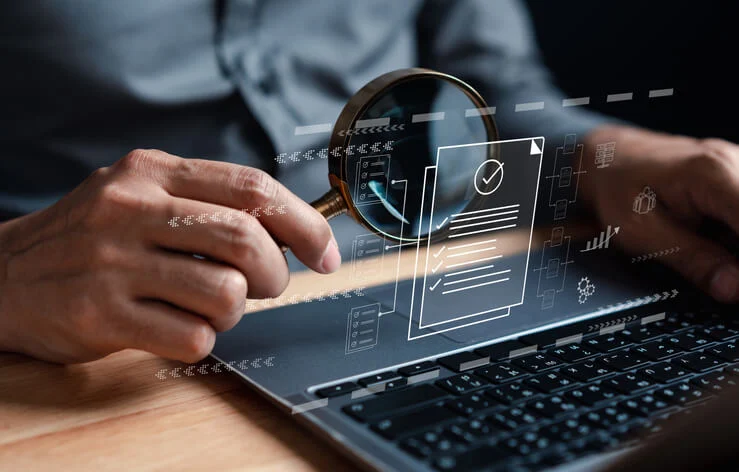
A private investigator is a trained professional who gathers information, examines evidence, and uncovers facts related to personal, business, and legal matters. These professionals use research methods, observation techniques, and analytical skills to help individuals and organizations understand complicated situations. Their work requires patience, confidentiality, attention to detail, and a clear understanding of applicable laws.
Professional investigation services are important for people who need accurate information before making significant decisions. From background verification to corporate investigations, these services help clients understand situations through reliable evidence and detailed research.
Understanding the Role of a Private Investigator
Professional investigators are responsible for examining situations that require detailed research, verification, or evidence collection. Unlike police officers, they generally work independently or through private agencies and do not have special law enforcement authority.
Their responsibilities vary depending on the client’s needs. Some professionals specialize in financial investigations, while others focus on locating individuals, examining business activities, or assisting legal teams.
The primary objective is to collect reliable information through lawful investigative procedures. Every investigation should respect privacy rights and follow applicable regulations.
Common Types of Investigation Services
Investigation agencies offer different services based on their professional expertise and available resources. Understanding these services helps clients determine the type of assistance they need.
Background verification is one of the most common investigative services. It involves examining available information about an individual or organization, including professional qualifications, employment history, and publicly accessible records.
Corporate investigations focus on business-related concerns such as suspected fraud, employee misconduct, financial irregularities, and unauthorized activities. Investigators review relevant documents and examine available evidence to identify potential problems.
Missing person investigations involve searching for individuals whose locations are unknown. Investigators may examine public records, contact relevant sources, and analyze information to identify possible leads.
Insurance investigations are another important service. Insurance companies may request professional assistance to examine disputed claims, verify reported circumstances, and identify inconsistencies.
Essential Skills Required for Professional Investigation
Successful investigative work requires several important professional abilities. Technical knowledge is useful, but observation, communication, and analytical thinking are equally essential.
Strong observation skills allow investigators to identify details that others may overlook. Small inconsistencies in documents, statements, or timelines can sometimes provide valuable information.
Analytical thinking helps professionals examine evidence, identify patterns, and distinguish verified facts from assumptions. These skills are particularly important when investigating complicated cases involving multiple information sources.
Effective communication is also necessary. Investigators frequently interact with clients, witnesses, business representatives, and legal professionals. Clear communication helps them gather relevant information and explain findings accurately.
Confidentiality is another essential requirement. Investigation professionals often handle sensitive personal or commercial information, making responsible data management and ethical conduct extremely important.
How a Private Investigator Conducts an Investigation
A professional investigation usually follows a structured process designed to ensure accuracy, efficiency, and accountability.
The process begins with an initial consultation. During this stage, the client explains the situation, identifies the information required, and discusses the investigation’s objectives.
After understanding the case, the investigator develops a plan outlining suitable research methods, expected expenses, and potential timelines.
The next stage involves gathering information through lawful techniques. These may include interviews, public-record searches, document examination, and observation in locations where such activities are permitted.
Once information has been collected, the investigator analyzes the findings to identify connections, inconsistencies, and unanswered questions.
Finally, a detailed report is prepared. This report explains the relevant findings, supporting documentation, and any limitations that may affect the conclusions.
The Importance of Technology in Modern Investigations
Technology has significantly improved the efficiency of professional investigative services. Digital tools allow investigators to organize information, examine publicly accessible records, and analyze large collections of documents.
Online research platforms can help professionals identify useful sources and verify information more efficiently.
Digital photography, mapping software, and case-management systems also support investigative work by improving documentation and record organization.
Publicly available social media information may provide additional context when it is relevant to a legitimate investigation.
However, technology must be used responsibly. Unauthorized account access, unlawful tracking, and interception of private communications are not acceptable investigative practices.
When Should You Hire an Investigation Professional?
Individuals and organizations may require investigative assistance in situations where accurate information is difficult to obtain independently.
Business owners sometimes need help verifying potential partners, investigating suspected misconduct, or examining financial irregularities.
Legal professionals may request investigative services to locate witnesses, review evidence, or gather information relevant to civil proceedings.
Individuals may also seek assistance when trying to locate missing relatives or verify information related to important personal decisions.
Before hiring an investigator, clients should identify their objectives and consider whether professional research is likely to provide useful results.
How to Choose a Reliable Investigation Agency
Selecting a qualified investigation professional is important because the accuracy of investigative findings may influence significant decisions.
Experience should be one of the main considerations. Professionals who have handled similar cases may be better prepared to understand potential challenges and choose appropriate research methods.
Licensing requirements should also be considered. Different jurisdictions have different regulations governing investigation services, so clients should verify the credentials required in their location.
A reputable agency should maintain confidentiality, communicate clearly, and explain its investigative procedures.
Transparent pricing is another important factor. Clients should understand the service charges, possible additional expenses, and expected scope of work before authorizing an investigation.
Professional investigators should also avoid guaranteeing specific outcomes because the results depend on available evidence and circumstances.
Benefits of Working With a Private Investigator
Professional investigative assistance can provide valuable benefits for individuals, businesses, and legal representatives.
One important advantage is access to specialized research skills. Experienced investigators understand how to examine information, evaluate evidence, and organize findings systematically.
Another benefit is objective analysis. Independent professionals can review complicated circumstances without relying entirely on initial assumptions or personal opinions.
Investigators can also save clients considerable time by focusing research on relevant information sources and avoiding unnecessary speculation.
Detailed reports provide organized documentation that may help clients understand their options and determine appropriate next steps.
Although not every investigation produces a definitive answer, properly conducted research can reduce uncertainty and support more informed decisions.
Legal and Ethical Considerations in Professional Investigation
Investigative activities must comply with applicable laws and professional standards.
Investigators generally cannot enter private property without authorization, obtain protected records unlawfully, or conduct surveillance that violates privacy protections.
Regulations concerning audio recordings, photography, personal information, and monitoring activities differ between jurisdictions.
Ethical investigators respect these limitations while maintaining accuracy, confidentiality, and fairness throughout their work.
Clients should ensure that the professionals they hire use legitimate methods and explain any legal restrictions that may affect the investigation.
Following ethical standards helps protect individual rights and supports the credibility of investigative findings.
Conclusion
A private investigator plays an important role in gathering reliable information, examining complex situations, and supporting informed decisions through professional research. Investigation services can assist with background verification, corporate concerns, legal matters, and other situations that require careful examination.
Successful investigative work depends on analytical thinking, accurate documentation, confidentiality, and respect for legal boundaries. Choosing a qualified professional helps individuals and organizations obtain useful findings while ensuring that investigations are conducted responsibly.
